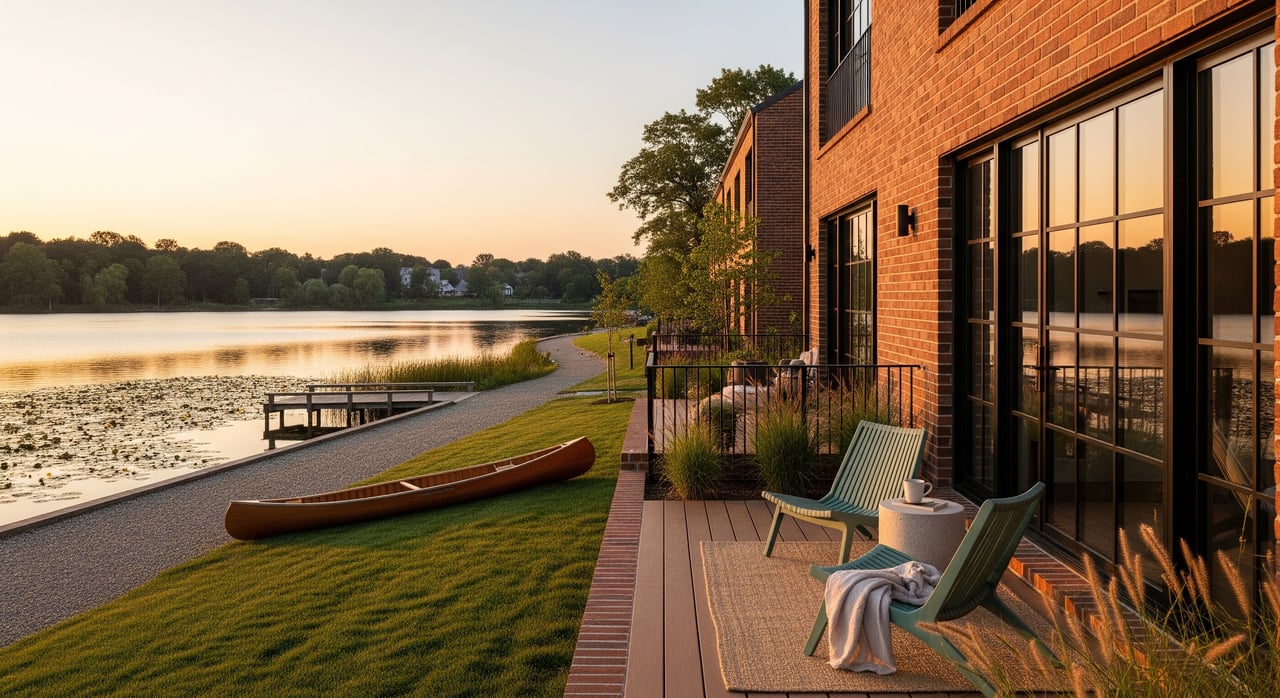
What if your daily walk loop offered open water views, birdsong, and a quick reset before work? If you’re exploring College Park beyond the hustle of campus life, the neighborhoods surrounding Lake Artemesia deliver that mix of nature, convenience, and connection many buyers hope to find. Whether you’re planning a first home, looking for more space, or getting a property market-ready, it helps to picture your routines here. This guide breaks down what everyday life feels like, from morning jogs and café stops to transit options and long-term neighborhood outlook. Let’s dive in.
Neighborhood snapshot
Lake Artemesia sits on the southern and central edge of College Park in Prince George’s County. You’re close to quiet residential streets and a short hop to the Baltimore Avenue corridor for errands. The area blends long-term homeowner blocks with some student-influenced rentals, which creates a steady daytime rhythm and a lively evening foot traffic pattern near parks and trails.
Local planning and parks management involve the City of College Park, Prince George’s County, and the Maryland-National Capital Park and Planning Commission. The University of Maryland shapes regional activity, but these pocket neighborhoods have their own identity. If you value green space in a Metro-accessible suburb, this corner of College Park often hits the sweet spot.
Mornings, evenings, weekends: what you notice
Weekday mornings
- Dog walkers and solo joggers loop the lake before the workday.
- Parents push strollers along flat sections of the trail network.
- University staff and neighbors use the paths for quick fitness routines.
Evenings
- Couples and families take short walks around sunset.
- Small groups of students ride bikes between trail connections.
- The water’s edge feels calm, with benches and overlooks for quick breaks.
Weekends
- You may see volunteer trail cleanups on posted days.
- Beginner-level birdwatchers and casual fishing pick up near piers.
- Traffic to and from nearby cafés and takeout spots adds a friendly buzz.
Lake Artemesia and the trail network
What the park offers
Lake Artemesia is a managed natural area that doubles as a stormwater feature, wildlife habitat, and neighborhood escape. Day to day, you’ll see joggers, families out for short loops, and neighbors with leashed dogs. Management emphasizes passive recreation and habitat, so it is a good place for birdwatching and nature photography.
For park information, programs, and maintenance alerts, start with the Prince George’s County Department of Parks and Recreation and the Maryland-National Capital Park and Planning Commission. You can review system-wide updates through the Prince George’s County Department of Parks and Recreation and the Maryland-National Capital Park and Planning Commission.
If you plan to fish, confirm permitted areas and license rules with the Maryland Department of Natural Resources. Seasonal maintenance or storm-related repairs can temporarily affect access, so it is smart to check county or M-NCPPC notices before a big outing.
Trail connections you can use
The lake ties into multi-use trails that link neighborhood streets, the Anacostia tributary paths, and routes toward the University of Maryland. That means you can bike for errands, commute to campus, or extend a weekend loop without getting in the car. Many residents treat the trails as a second sidewalk network for short, predictable trips.
Maintenance and seasonal notes
Because the lake supports stormwater management, you may see occasional closures after heavy weather. Look for posted signs about sensitive habitat areas, and follow detours as needed. You will also notice seasonal changes, from spring migration activity to quieter winter paths.
Daily amenities and simple routines
Groceries and services
The immediate area around the lake is mostly residential. For everyday needs, you will head to nearby stretches of Baltimore Avenue for grocery stores, pharmacies, pet supplies, banks, and quick-service options. Smaller markets and convenience spots sit closer to neighborhood streets for grab-and-go items. For city service updates and community resources, use the City of College Park.
Cafés and casual dining
Several coffee shops and casual eateries along Route 1 act as third places. Morning coffee runs are common before trail loops or Metro rides. Many residents choose a couple of go-to spots for remote work, meetups, or a quick sandwich, depending on the day and the season.
Community centers and libraries
Local community centers and libraries support weekly routines with classes, youth programs, and meeting rooms. These hubs are where you will find fitness classes, recreation sign-ups, and neighborhood events that help you plug in.
Getting around and commuting
Metro, bus, and regional rail
Transit access is a key part of living in College Park. The Green Line serves the area, and regional bus routes add options for non-drivers. Schedules vary by time of day, so plan with the Washington Metropolitan Area Transit Authority. Campus-affiliated residents often use university shuttles for short hops; you can confirm options through University of Maryland Transportation Services.
Biking and walking
Sidewalks, local streets, and multi-use trails make short trips simple. Many neighbors choose to bike to the University or to reach a Metro station when the weather is right. The trail network around the lake is a practical connector if you prefer to avoid busy roads.
Driving and regional access
If you drive, major routes like Baltimore Avenue, the Baltimore–Washington Parkway, and the Beltway offer multiple ways to reach the wider DC region. Expect typical peak-hour congestion common to the metro area, and build in buffer time on mornings with unpredictable weather or events.
The Purple Line context
The Purple Line light rail is designed to improve east–west connectivity across the inner suburbs. While construction timelines and station details evolve, it represents a significant future mobility upgrade that can influence long-term livability and value. Follow project updates through the Maryland Department of Transportation’s Purple Line.
Community life, schools, and livability
Community rhythms and events
From neighborhood association meetings to trail cleanups and weekend markets, local events give the area a small-town feel inside the larger metro. University events like games or commencement can create periodic surges in traffic and business activity. Planning your errands around major campus dates can make weekends smoother.
Schools and family resources
Public schools are part of Prince George’s County Public Schools. If you are evaluating a move, verify school assignments, enrollment zones, and program offerings directly with Prince George’s County Public Schools. Childcare, preschools, and after-school programs are available along main corridors and near community facilities. Availability and waitlists can change, so it helps to check early.
Safety and practical considerations
College Park’s safety profile can vary by block like most urban-adjacent suburbs. For current data, use city and county resources and review official dashboards before you decide on a specific address. Seasonal factors to note include stormwater behavior near low-lying streets and intermittent construction noise tied to regional projects.
Planning and long-term appeal
Transit and development
Ongoing transit investments, including the Purple Line, are central to the region’s future connectivity. Access improvements often attract new businesses and can support property values over time. Keep an eye on county planning updates for any zoning or redevelopment proposals affecting Route 1 and nearby commercial blocks through the Prince George’s County Planning Department.
Green space priorities
Local residents value the preservation and upkeep of parks and trails. Habitat restoration and trail improvements help maintain daily quality of life and the natural character around the lake. System-level planning and park maintenance guidance move through the Maryland-National Capital Park and Planning Commission.
Buying or selling near Lake Artemesia
If you are buying, start by mapping your daily routine. Test a morning loop around the lake, time your bike ride to your most-used errands, and check transit schedules for your commute. That practical feel test will help you focus your search on blocks that fit your day.
If you are selling, highlight everyday advantages. Proximity to trails, quiet streets at off-peak hours, and simple access to Route 1 can all matter to buyers. Thoughtful staging and targeted pre-list updates can also help your home stand out in a market where many buyers prioritize move-in-ready condition.
With personalized guidance, Compass-backed marketing, and targeted pre-sale support, our team helps you translate neighborhood appeal into real results. We regularly advise on staging, photography, and improvement plans that speed time to market and can increase proceeds. For buyers, we share hyperlocal insights that clarify tradeoffs between walkability, transit, and home type.
Ready to talk strategy for your move in College Park? Reach out to The Foley Group for a local plan that fits your goals.
FAQs
What is daily life like near Lake Artemesia?
- Expect calm trail loops, quick access to errands on Baltimore Avenue, and a neighborhood feel with a steady mix of long-term residents and university-affiliated neighbors.
How close is public transit, and where can I check schedules?
- The Green Line serves College Park and regional buses add coverage; verify routes and times directly with the Washington Metropolitan Area Transit Authority.
Are there trails for commuting by bike from the lake area?
- Yes, multi-use trails connect the lake to nearby neighborhoods, campus, and regional paths, making short bike trips and campus commutes practical.
Where do residents run everyday errands nearby?
- Most daily errands happen along Baltimore Avenue with grocery stores, pharmacies, and casual dining; for local services and updates, use the City of College Park.
Which public schools serve the area, and how can I verify assignments?
- School assignments are set by Prince George’s County Public Schools; confirm boundaries and programs directly with Prince George’s County Public Schools.
What should I know about fishing at Lake Artemesia?
- Fishing is a common activity; review licenses, seasons, and permitted areas with the Maryland Department of Natural Resources and follow posted park guidance.
How will the Purple Line affect the College Park area over time?
- The Purple Line is designed to improve east–west connectivity and may influence access and development patterns; follow updates via the Purple Line project.