Thinking about buying an older home in Takoma Park? You are not alone. For many buyers, the charm is the point: front porches, original trim, larger lots, and architecture you simply do not see in newer construction. The key is knowing how to separate manageable upkeep from expensive surprises so you can move forward with confidence. Let’s dive in.
Why older Takoma Park homes stand out
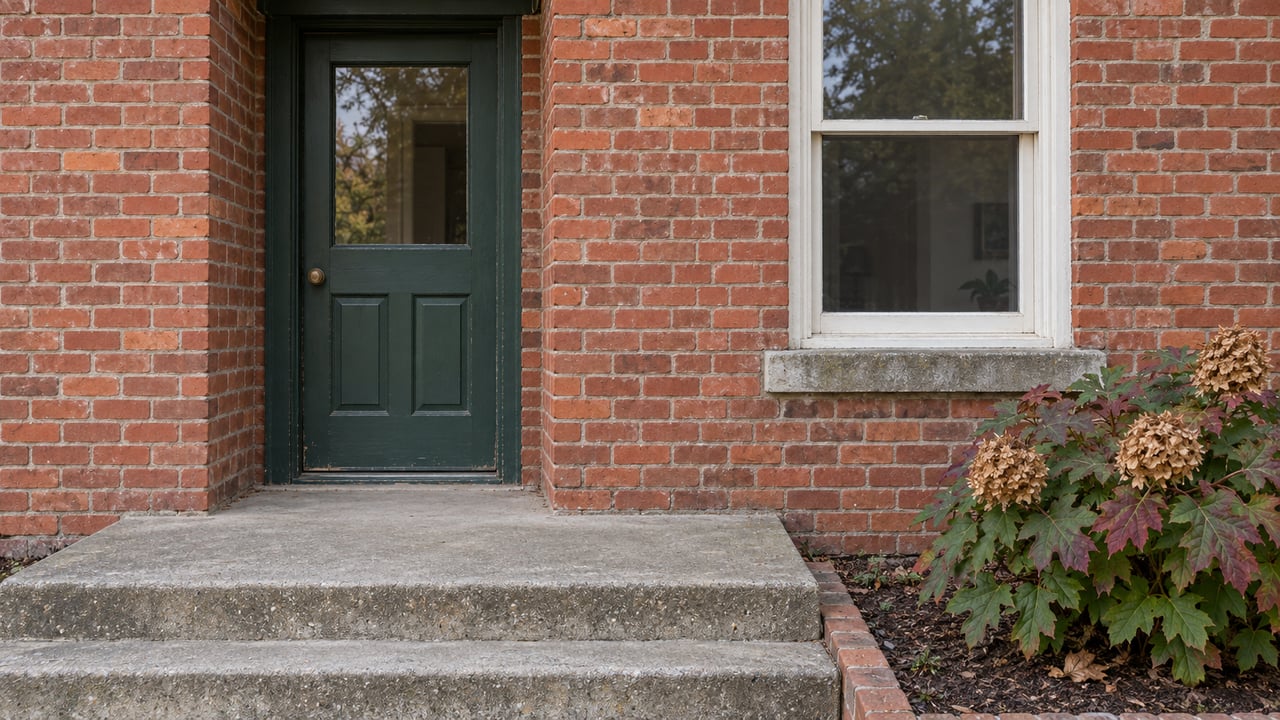
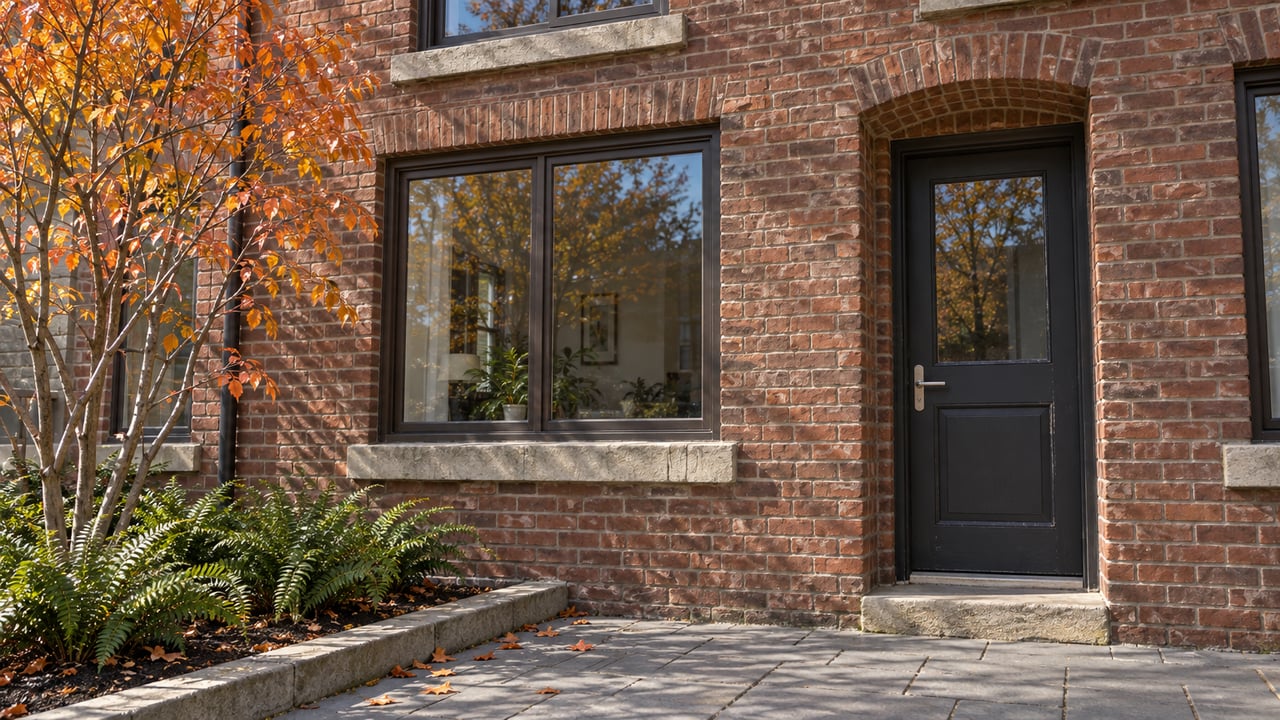
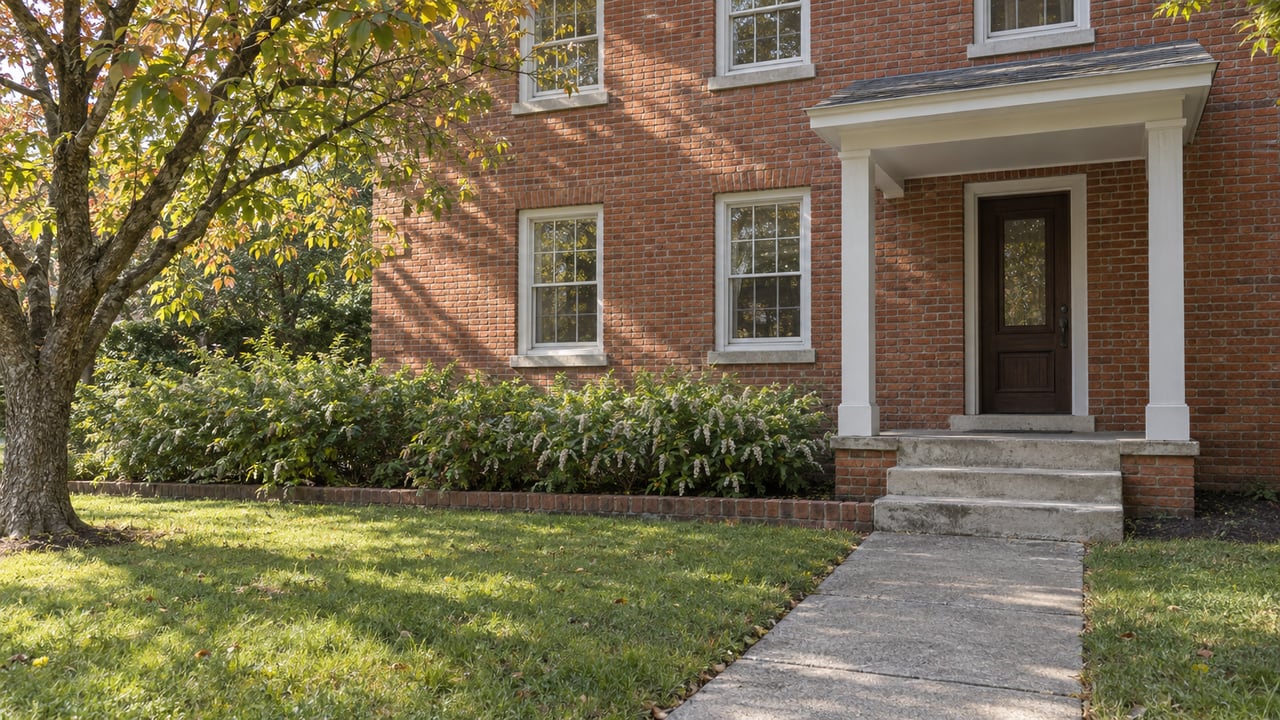
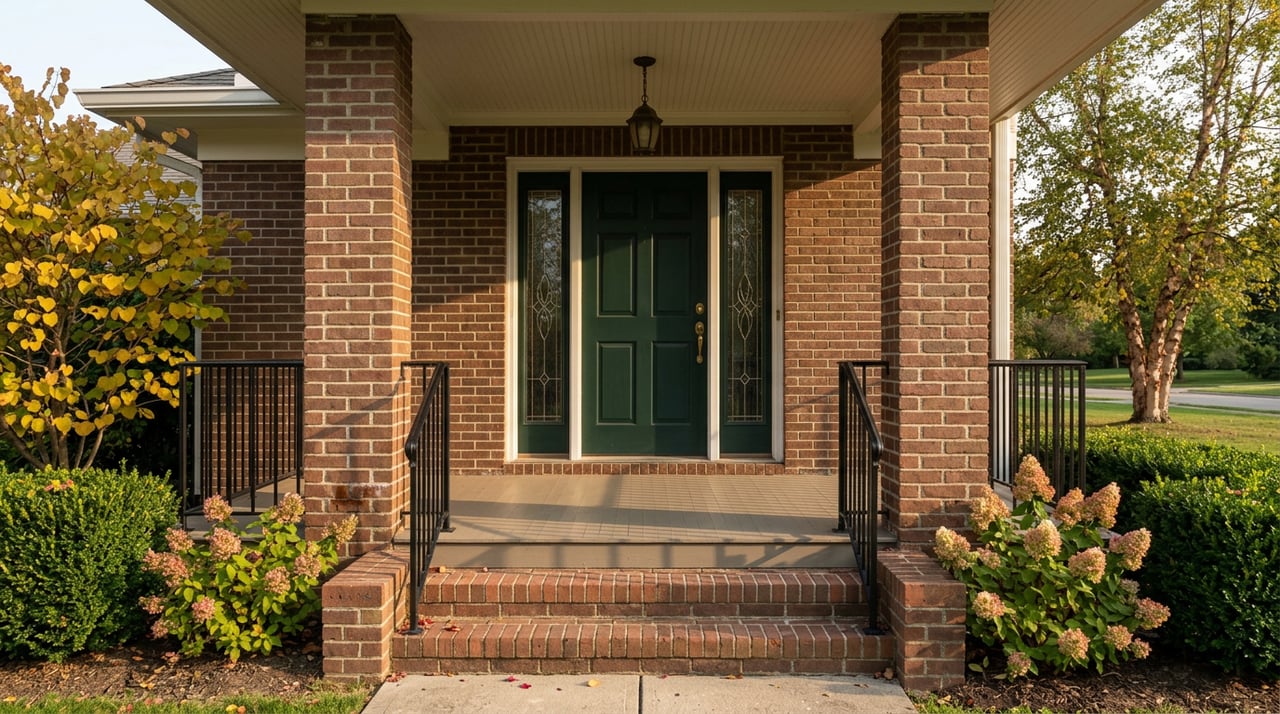
Takoma Park has deep architectural character. The city describes itself as one of the first suburbs of Washington, D.C., and its housing stock includes historic bungalows, Victorians, colonials, and ramblers.
That variety is a big part of the appeal. The Takoma Park Historic District is the largest historic district in Montgomery County, with styles that include Queen Anne, Georgian Revival, and bungalows, along with wood clapboard and shingle exteriors.
When you buy an older home here, you are often buying more than square footage. You may also be buying a larger lot, a neighborhood-friendly streetscape, and original design details that give the property a strong sense of place.
At the same time, older homes usually come with more ongoing maintenance. Character and condition can absolutely coexist, but you want to evaluate both from the start.
What to expect from an older house
Older homes often need steady upkeep instead of one big cosmetic refresh. Census data shows that owners of homes built before 1950 spent a median of $1,800 per year on upkeep, while new owners of older homes spent a median of $3,900 per year.
Those costs often show up in familiar places. Common projects include plumbing fixtures, flooring, water heaters, windows and doors, roofs, and porches or decks.
That does not mean every older house is a money pit. It means your budget should reflect reality, especially if you are buying a home that has not been updated recently.
Lead risks to understand early
Lead-based paint is one of the biggest issues to evaluate in older housing. The EPA says many homes built before 1978 have lead-based paint, and buyers should consider a lead inspection or risk assessment before buying or renovating.
This matters even more if you are planning updates right away. Renovation work that disturbs painted surfaces can create lead dust, so lead-safe work practices are important in pre-1978 homes.
Federal law also requires sellers and agents to provide lead disclosure information and an EPA pamphlet before a buyer is obligated under contract. That disclosure is part of the process, but it should not replace your own due diligence.
Lead in drinking water is another issue worth checking. The EPA notes that lead pipes are more likely in older cities and homes built before 1986, and testing is the only sure way to know if harmful lead levels are present in the water.
Drainage and moisture deserve extra attention
In Takoma Park, water management is not a minor detail. The city says increasing intense rainfall is putting pressure on creek systems, stormwater infrastructure, and low-lying properties.
Some local storm drain pipes are more than 100 years old, and heavy rain events have led to investigations into basement backup problems in parts of the city. For buyers, that means drainage questions should be part of your standard review.
Ask practical questions, such as:
- Has the basement ever taken on water?
- Have there been sewer or stormwater backups?
- How are the downspouts routed?
- Does the grading move water away from the house?
- Has a backwater valve ever been installed?
If a home has a basement, pay close attention to signs of past moisture. Fresh paint alone is not enough. You want clear answers, inspection insight, and a realistic sense of what future mitigation might cost.
Inspect early and inspect thoroughly
A strong plan starts with an independent home inspection scheduled as early as possible. The Consumer Financial Protection Bureau recommends choosing an honest, thorough inspector, attending the inspection if you can, and using contingencies to negotiate repairs, request credits, or cancel if results are unsatisfactory.
For an older home, a general inspection is only the beginning. You want a clear look at structural conditions, electrical, plumbing, HVAC, and site conditions. Serious problems, such as a cracked foundation or failing systems, are exactly the kinds of issues an inspection can help uncover.
If the house is older and has a long maintenance history, ask your agent to help you organize the findings by urgency. Some issues are safety-related or time-sensitive. Others are simply part of owning an older property and can be handled over time.
Budget beyond the purchase price
One of the easiest mistakes buyers make is focusing too heavily on the offer number. The CFPB recommends budgeting not just for the mortgage, but also for maintenance, repairs, utilities, closing costs, and an emergency cushion.
Closing costs commonly run about 2% to 5% of the purchase price, excluding the down payment. On an older home, it is also smart to budget for early repairs and immediate system updates.
A simple framework can help:
| Budget Category | What to Plan For |
|---|---|
| Closing costs | Roughly 2% to 5% of purchase price, excluding down payment |
| Immediate repairs | Safety issues, leaks, electrical fixes, plumbing updates |
| Near-term maintenance | Roof, windows, water heater, porch or deck work |
| Lead-related costs | Evaluation and lead-safe contractors for pre-1978 renovations |
| Moisture control | Drainage improvements, waterproofing, backup prevention |
| Reserve fund | Emergency cushion for surprises after closing |
This kind of planning does not make an older home less appealing. It makes your purchase decision stronger.
Historic district rules to factor in
If the home is in the historic district, exterior changes may require extra review. In Takoma Park, a Historic Area Work Permit, or HAWP, can be required for certain exterior projects, and many jobs may also need a municipality letter plus a county building permit.
That can affect both budget and timing. Buyers should expect that exterior work may take longer to start because approvals may be needed before work begins.
The good news is that historic designation does not freeze a property in place. Montgomery Planning notes that interior work and ordinary exterior maintenance generally do not require HAWP review.
However, certain exterior changes can trigger review, including:
- Additions
- Porch changes
- Replacement of original windows or sash
- New siding
- Driveways
- Patios
- Impermeable surfaces
- Tree removal
In some cases, owners in historic districts may also qualify for certain tax benefit programs tied to approved work. If you are buying with renovation plans, that is worth exploring early.
Can you still update an older Takoma Park home?
Usually, yes. In many cases, the biggest limitations apply to exterior changes rather than interior improvements.
That means you can often modernize kitchens, bathrooms, layouts, and systems while preserving the home's original character. The key is understanding where local review may apply and building your timeline around it.
If your vision includes opening walls, replacing exterior materials, or changing windows, it is smart to ask questions before you close. A little planning up front can save a lot of stress later.
If you may rent it later
Some buyers plan to live in the home first and rent it out later. If that is part of your long-term strategy, pay attention to local lead requirements now rather than later.
Montgomery County says rental properties built before 1978 must comply with Maryland’s Lead Poisoning Risk Reduction Requirements. If future rental use is even a possibility, that should be part of your ownership plan and renovation budget.
A confident buying framework
Buying an older home in Takoma Park does not have to feel risky. In most cases, confidence comes from a simple process: appreciate the architecture, inspect early, verify lead and moisture concerns, and budget for both maintenance and permit-related delays.
That kind of preparation helps you see the difference between a home with character and a home with hidden problems. It also gives you a better shot at making a smart offer, negotiating from a position of knowledge, and settling in without expensive surprises.
If you are considering an older home in Takoma Park, the right local guidance can make all the difference. The Foley Group helps buyers navigate older homes, neighborhood nuances, inspections, and renovation questions with a practical, high-touch approach.
FAQs
What makes older homes in Takoma Park appealing to buyers?
- Older Takoma Park homes often attract buyers because of their architectural character, larger lots, front porches, original details, and established neighborhood setting.
What should buyers inspect first in an older Takoma Park home?
- Buyers should prioritize a thorough home inspection that looks closely at structure, electrical, plumbing, HVAC, site conditions, drainage, and any signs of moisture or foundation issues.
What lead issues should buyers know about in older Takoma Park homes?
- If a home was built before 1978, buyers should consider lead-based paint risks, possible lead in drinking water in older homes or cities, and the need for lead-safe practices before renovation.
What historic district rules apply to older homes in Takoma Park?
- If a property is in the historic district, some exterior changes may require a Historic Area Work Permit, while interior work and ordinary exterior maintenance are generally exempt.
How should buyers budget for an older home in Takoma Park?
- Buyers should budget beyond the purchase price for closing costs, ongoing maintenance, immediate repairs, lead-safe renovation work if needed, drainage improvements, and an emergency reserve.
Can buyers renovate an older home in Takoma Park?
- In many cases, yes. Interior updates are usually allowed, but some exterior changes, such as additions, porch changes, or replacing original windows, may require local review.
What should buyers ask about drainage in a Takoma Park older home?
- Buyers should ask about past basement water, sewer or stormwater backups, downspout routing, grading, and whether any drainage protections like a backwater valve have been installed.