If your ideal Saturday includes a walkable main street, a farmers market, coffee, lunch, and a little time outdoors, Kensington deserves a closer look. Around Antique Row, you get more than a cluster of shops. You get a compact historic center with an easy weekend rhythm and nearby residential streets that feel distinctly rooted in place. If you are exploring Kensington as a possible place to live, this guide will help you picture what weekend living can actually look like. Let’s dive in.
Why Antique Row draws people in
Kensington’s Antique Row sits along Howard Avenue east of Connecticut Avenue and serves as the center of many Saturday plans. The official Antique Row district describes the area as home to antique shops, a multi-dealer market, dining options, and free onsite parking. That mix gives the district a practical, approachable feel instead of a one-purpose shopping strip.
The appeal also goes beyond antiques. According to the Town of Kensington shopping and dining guide, the Old Town District includes antique shops, book stores, consignment, jewelry, home décor, gifts, coffee shops, restaurants, and grocery markets. For you as a buyer, that matters because it points to a main street that supports repeat, everyday use.
Visit Montgomery adds that Kensington Antique Row and the West Howard Antiques District are known for vintage items from around the globe in a charming historic community. In other words, the area offers character, but it is still easy to fold into a normal weekend.
How a Saturday can unfold
One of Kensington’s strengths is that a full day can happen in a fairly small area. You do not need a long, complicated itinerary to enjoy the neighborhood. In many cases, you can move from one stop to the next with a simple, relaxed pace.
A classic Saturday often starts at the Kensington Farmers’ Market at the Historic Train Station, 3701 Howard Avenue. The Town says it runs every Saturday from 9 a.m. to 1 p.m. and features more than 20 vendors offering produce, prepared foods, cheeses, seafood and meats, flowers, and more. That kind of weekly anchor can make a neighborhood feel lived-in rather than just visited.
From there, you can browse Antique Row, stop for coffee, and settle into lunch without leaving the historic core. The Town’s dining guide notes 38 eating establishments, which helps explain why the area works for more than a quick errand. It supports lingering.
If you want to keep the day going, summer adds another layer. The Town notes that Howard Avenue Park hosts the Kensington Historical Society’s summer concert series every Saturday between June and October, giving the district an easy evening extension that still feels local and low-key.
Can you spend most of the day on foot?
In the historic core, the answer is often yes. The farmers market, shops, dining, and rail-station area are close enough together to create a pedestrian-friendly pattern for a weekend outing. That compact layout is one reason the area stands out for buyers who value convenience and neighborhood character.
The Town’s history also helps explain why the area feels this way. The historic overview notes that the central rail station remains active and describes it as the second-oldest active station in the county. The same history points to a place where the train still stops and people still walk, which carries through in the experience of the old town center today.
That does not mean every errand in daily life will happen on foot. But if you are trying to imagine a Saturday that feels connected, casual, and local, Kensington offers a strong case.
Parks make the day feel bigger
One reason weekend living around Antique Row works so well is that the commercial core connects nicely to green space. After shopping or lunch, you can shift into a quieter setting without going far. That balance is part of the neighborhood’s appeal.
The Town’s parks page highlights several nearby options. Clum-Kennedy Park has a meandering brick pathway, grape arbor, and benches, while Flinn Park includes a fountain, benches, picnic tables, and a commemorative brick walkway. Warner Circle Park offers a walking path and green space, and Reinhardt Park includes play equipment and benches.
If you want more room for recreation, St. Paul Park includes a walking track, picnic pavilion, basketball court, youth ball field, grills, and picnic tables. Kensington Cabin Park adds a playground, ball field, basketball court, tennis court, walking path, benches, and picnic tables. These spaces help turn a shopping district into a place where a weekend can stretch out naturally.
For a longer outing, Rock Creek Regional Park offers about 1,800 acres and more than 13 miles of scenic trails. The paved Rock Creek Trail is described as a 14-mile asphalt route starting at Lake Needwood and continuing into the District. If your ideal weekend includes a walk, run, or bike ride after brunch, that wider park system is a meaningful advantage.
What the nearby homes feel like
For many buyers, the real question is not just what to do on Saturday. It is what it feels like to live nearby once the day winds down. In Kensington, the answer is shaped by the town’s historic planning and architecture.
The Town of Kensington history page and the Kensington Historical Society describe the community as a Victorian-era garden suburb tied to the railroad and the planning vision of Brainard Warner. You see that identity in curving streets, tree-lined blocks, mature gardens, and a historic setting that feels distinct from many newer suburban layouts.
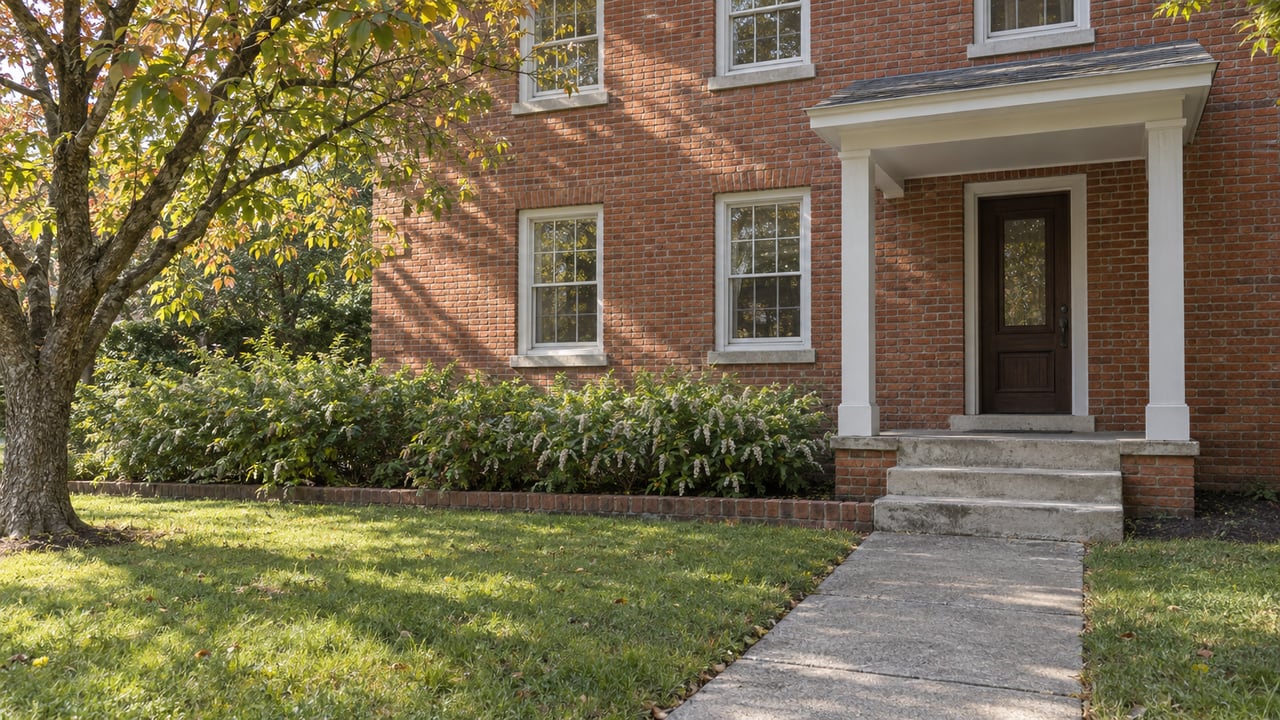
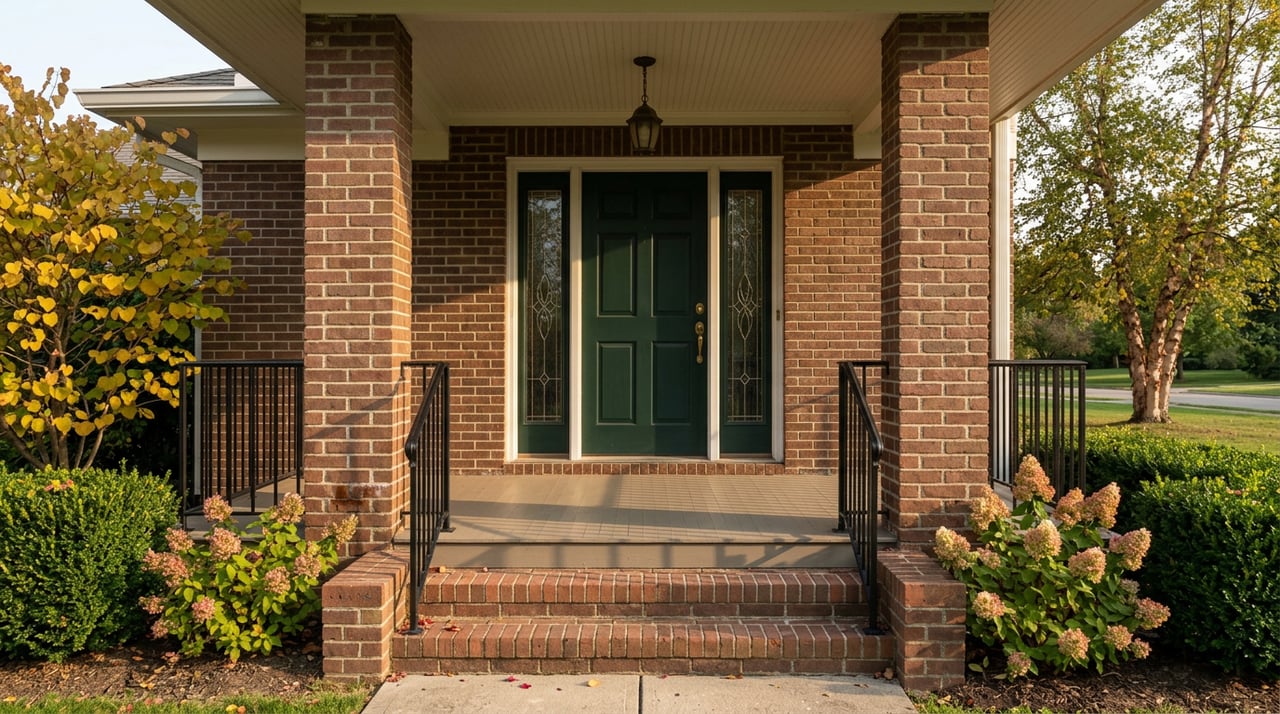
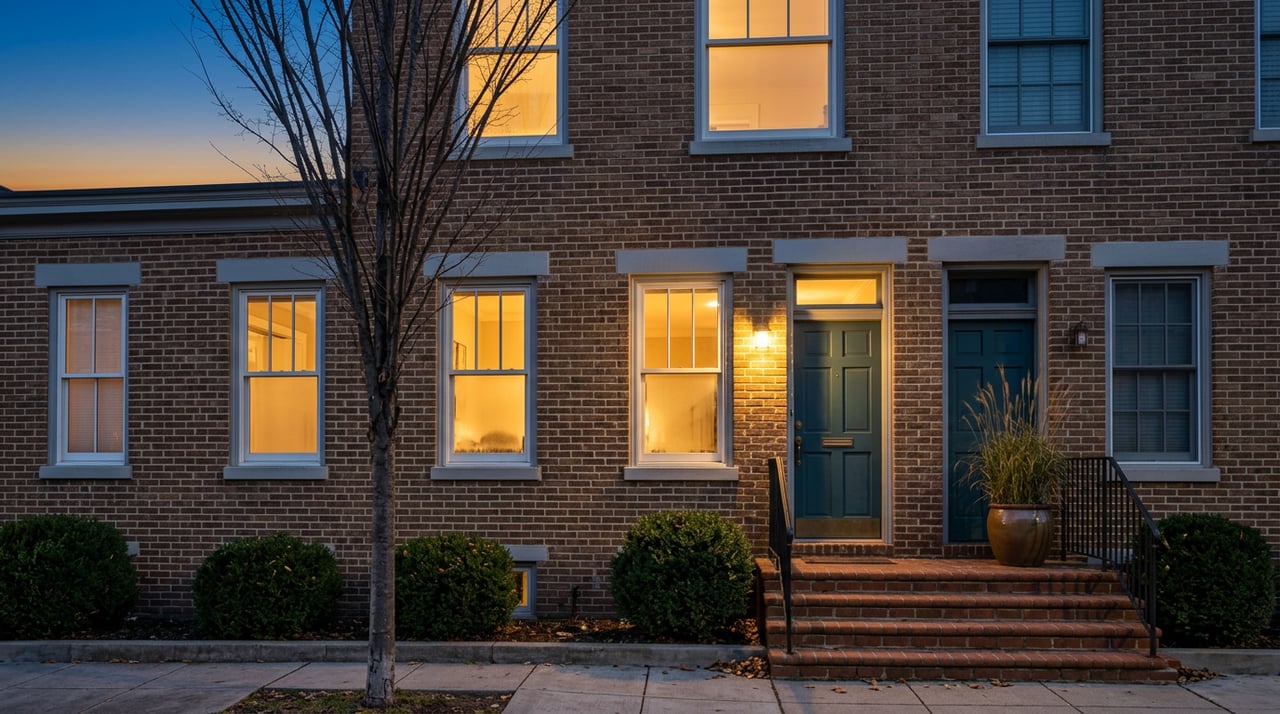
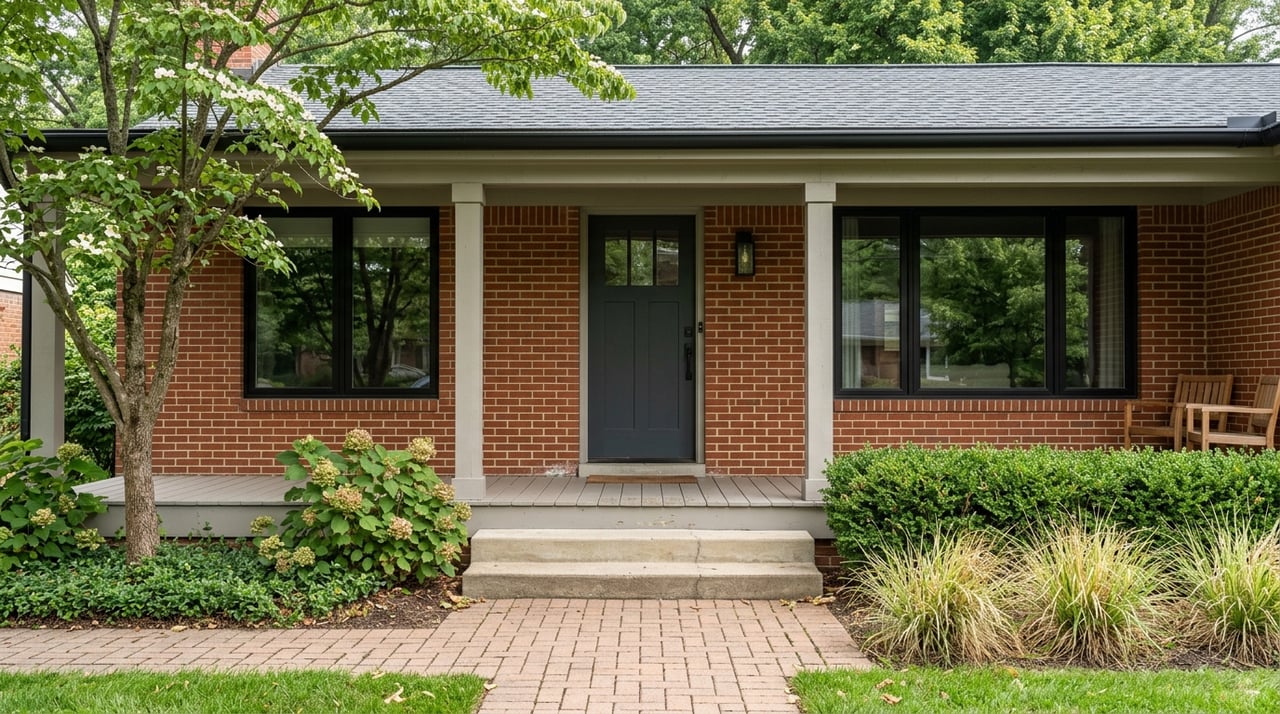
The housing character around the core includes Victorian and Queen Anne homes, along with later Georgian Revival and Colonial Revival styles. The Historical Society notes features such as porches, towers, asymmetrical facades, and steep rooflines, and it also points out that many homes were built on large lots with plenty of green space. For you, that often translates into a residential backdrop that feels established, walkable in pockets, and visually varied.
Importantly, Antique Row is compact. It does not take long for the commercial area to give way to quieter residential streets and a park-like setting. Nearby roads and landmarks associated with the historic core include Howard Avenue, Knowles Avenue, Armory Avenue, St. Paul Street, and Kensington Parkway, which helps frame the transition from main street activity to neighborhood calm.
Why this matters for homebuyers
If you are deciding where to focus your search, weekend livability can be a useful filter. A neighborhood does not need to feel like a major urban center to offer a strong lifestyle. Sometimes what matters more is whether your Saturday can happen easily, pleasantly, and close to home.
Around Kensington’s Antique Row, that lifestyle looks like this:
- A walkable historic core with shops and dining
- A reliable Saturday farmers market
- Pocket parks and gathering spaces nearby
- Access to larger trail systems for longer outings
- Residential streets with historic character just beyond the center
That combination can appeal to a wide range of buyers, especially if you want a neighborhood with local texture and a weekend routine that feels easy to repeat.
Is Antique Row only for antiques shoppers?
Not at all. That is one of the biggest misconceptions about this part of Kensington. While antiques are the signature draw, the Town’s guide makes clear that the district also includes books, gifts, jewelry, home décor, coffee, restaurants, and grocery markets.
That broader mix matters because it changes how the area functions. Instead of feeling like a specialty destination, it feels more like a small-scale town center. For buyers, that can be the difference between a place you visit once in a while and a place that becomes part of your normal weekend rhythm.
What sellers can take from this
If you own a home in or near Kensington’s historic core, neighborhood lifestyle is part of your home’s story. Buyers are often trying to picture not only the house itself, but also how they will spend their time nearby. A location close to Antique Row, the farmers market, parks, and the historic center can help create that picture.
That does not mean every buyer wants the exact same thing. But a clearly explained lifestyle narrative can help your listing feel more tangible and memorable. When buyers can imagine coffee on Howard Avenue, a market stop at the train station, and a walk through nearby parks, the area becomes easier to understand and appreciate.
If you are thinking about buying or selling in Kensington or nearby Montgomery County neighborhoods, The Foley Group brings the kind of hyperlocal guidance that helps you connect the home, the block, and the broader community.
FAQs
Can you spend a Saturday on foot around Kensington Antique Row?
- Yes. The farmers market, shopping, dining, and historic rail-station core are close together enough to support a pedestrian-friendly Saturday plan.
What can you do besides shop on Kensington Antique Row?
- Beyond antiques, the district includes coffee shops, restaurants, books, gifts, jewelry, home décor, and nearby parks for a fuller weekend outing.
What are the homes like near Kensington Antique Row?
- Nearby homes are shaped by Kensington’s historic garden-suburb setting and include Victorian, Queen Anne, Georgian Revival, and Colonial Revival styles on tree-lined streets.
Are there parks near Kensington Antique Row?
- Yes. The area includes several town parks such as Clum-Kennedy Park, Flinn Park, Warner Circle Park, St. Paul Park, and Kensington Cabin Park, plus access to Rock Creek Regional Park.
Does Kensington Antique Row feel like more than a shopping district?
- Yes. The mix of shops, dining, the Saturday farmers market, parks, and historic residential streets gives the area a fuller neighborhood feel.