If you have spent time along Baltimore Avenue, you have seen Hyattsville’s mix of porches, turrets, and brick stoops. It is charming, but it can also be hard to tell what each style means for daily life and your budget. In this guide, you will learn how to spot the city’s most common home styles, how they live, and what to plan for with maintenance and renovations. Let’s dive in.
Quick orientation to Hyattsville styles
Hyattsville grew as a Washington, D.C. streetcar suburb from the late 1800s through the early 1900s. That history left a blend of late Victorian-era homes, early 20th-century bungalows and foursquares, and many small brick rowhouses and townhouses. You will see a high concentration around Old Town and the Hyattsville Arts District along Baltimore Avenue.
Old Town is a recognized historic neighborhood. If your home search includes that area, plan for possible historic-district guidelines and review of exterior changes by local preservation authorities. That can affect timelines and budget, so it is smart to ask early in the process.
Victorians in Old Town
What they look like
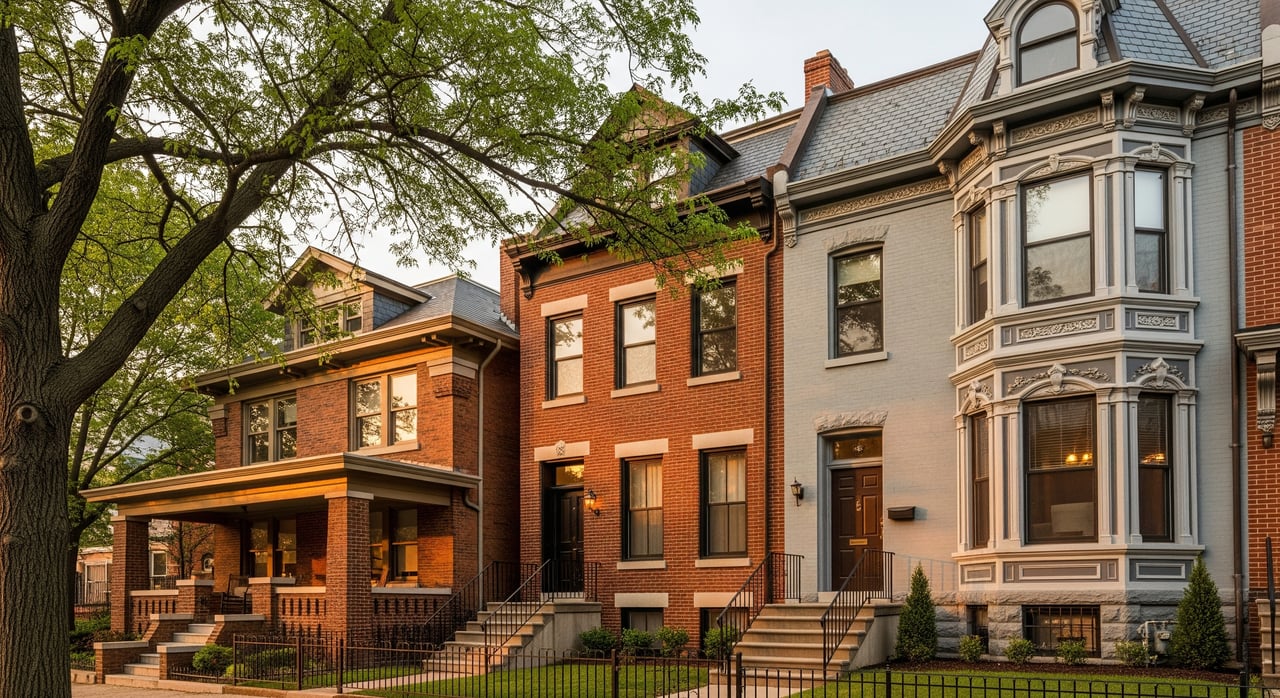
Victorians are 2 to 3 stories with asymmetrical fronts, steep roofs, and lots of decorative detail. Look for bay windows, wraparound or deep front porches, brackets, and spindle trim. Interiors often have tall ceilings, formal parlors, and detailed millwork.
How they live
You get generous square footage and many defined rooms. Floor plans feel more formal with separate living and dining rooms. Attics and full basements are common and useful for storage or future finishing.
Age and construction
Most Hyattsville Victorians date from the 1880s to the 1910s. Many were built with balloon or early platform framing and wood siding or shingles. Some have updated siding or replacement windows from later renovations.
Maintenance and upgrades
Expect regular painting and spot repairs on trim, porches, and siding. Complex rooflines can raise repair costs. Older systems are often upgraded piecemeal, so you will want to assess electrical, plumbing, and HVAC. Original windows and limited insulation can increase energy use unless you plan sensitive upgrades that respect historic guidelines where they apply.
Where to find them
Your best bets are Old Town Hyattsville and nearby streets off Baltimore Avenue within the historic grid. That is where the largest cluster of late 19th and early 20th-century homes remains.
What to look for at showings
- Porch and trim condition, including signs of rot or deferred paint.
- Roof intersections and chimneys for flashing or masonry issues.
- Evidence of system upgrades and insulation in the attic.
Bungalows and foursquares
What they look like
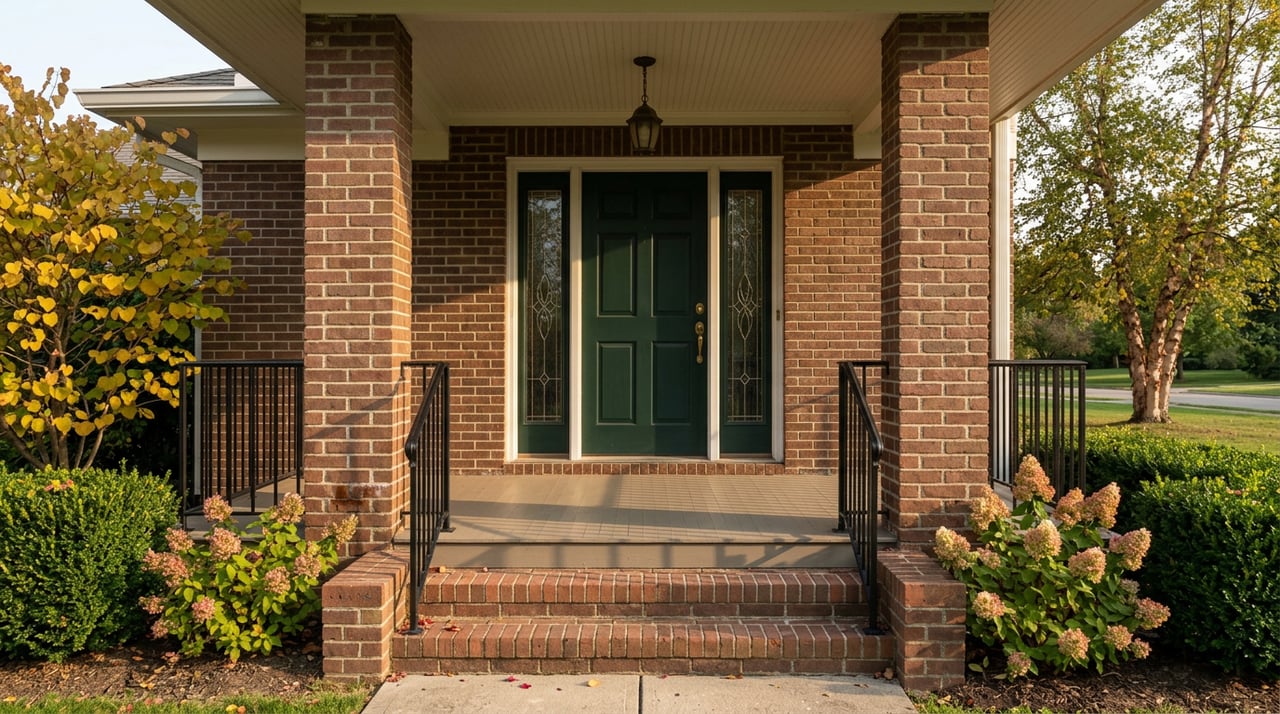
Bungalows and Craftsman cottages are 1 to 1.5 stories with broad front porches and low, sheltering roofs. You may see tapered or square porch columns and exposed rafter tails. American foursquares are boxier cousins with simple fronts and efficient layouts.
How they live
These homes favor compact, efficient floor plans and easy flow from living to dining. Many offer one-level living with a small upstairs or dormered attic. Yards are modest but usable, with porches that make great everyday outdoor space.
Age and construction
Most were built from about 1905 to 1930. They are typically wood framed, sometimes with brick veneer. Many include hardwood floors and period built-ins.
Maintenance and upgrades
Porches and exposed eaves need routine checks for moisture and rot. Upgrading insulation, windows, and HVAC can make a big difference in comfort and operating costs. Kitchens and baths are often smaller, so smart reconfigurations can feel like a big upgrade without changing the footprint.
Where to find them
You will see bungalows and foursquares throughout Old Town and on quieter streets just off Baltimore Avenue. Pockets of similar homes appear across central Hyattsville where early 20th-century development occurred.
What to look for at showings
- Porch supports, flooring, and rails for rot or settling.
- Attic insulation and ventilation details.
- Floor and joist condition, especially with crawlspaces.
Rowhouses and townhouses
What they look like
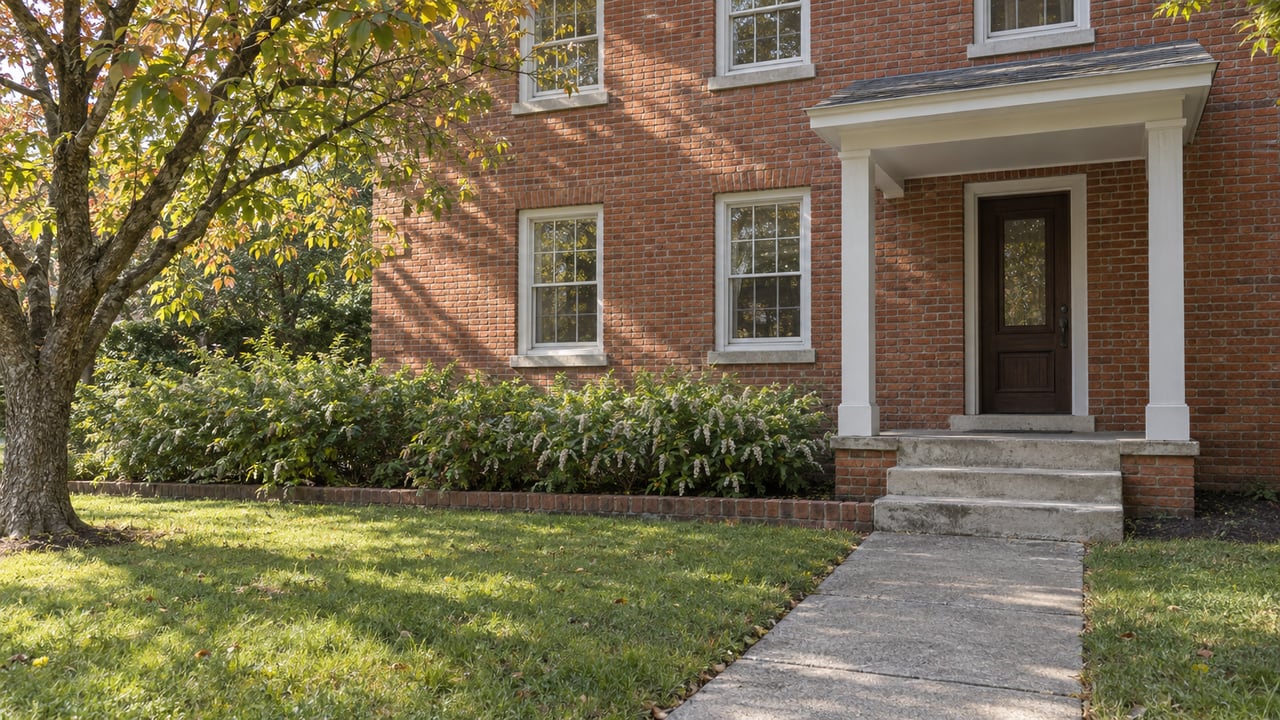
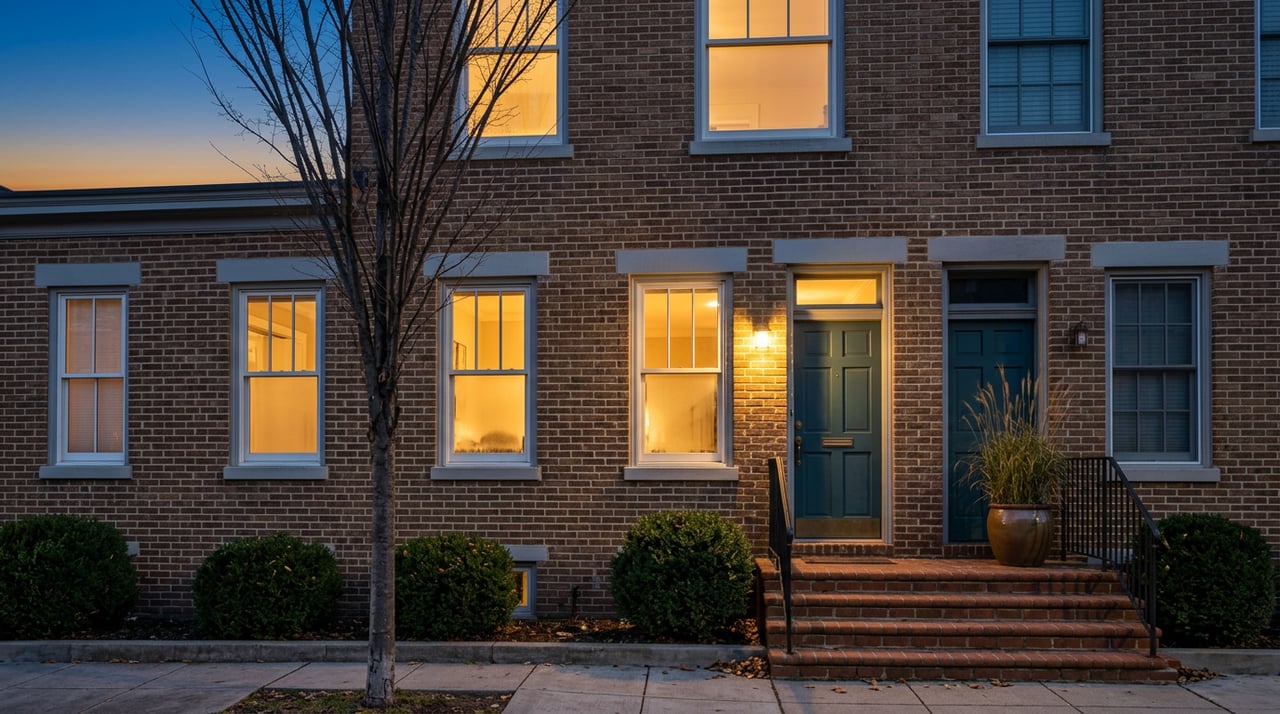
Hyattsville has many attached homes, especially brick rowhouses with shared party walls. Most are 2 to 3 stories with small front stoops, a rear yard, and a classic main-level living and dining layout with the kitchen at the back.
How they live
They use land efficiently and often cost less per square foot than large detached Victorians. Shared walls can lower heating costs. Middle units have less side light, while end units gain extra windows and small side yards.
Age and construction
Many rowhouses date from the 1920s through the 1950s, with later townhouse infill in the late 20th and 21st centuries. Party walls are usually masonry, with wood framing for floors and roofs.
Maintenance and upgrades
Focus on roof and flashing where your roof meets a neighbor’s. Basements can vary in height and may show moisture issues, so check grading and drainage. Interior remodels typically fit within the existing footprint, while additions are most often at the rear and must respect zoning.
Where to find them
You will find rowhouses throughout central Hyattsville, including streets that radiate from Baltimore Avenue and near transit and commercial corridors. Later townhouse communities appear by major roads and hubs.
What to look for at showings
- Roof and flashing transitions at party walls.
- Basement moisture, sump equipment, and downspout direction.
- Any shared-system or party wall agreements.
Which style fits your life?
Space and layout
- Victorians: Largest overall, tall ceilings, many rooms, attic and basement storage.
- Bungalows: Compact and efficient, often one-level living with a small upper level.
- Rowhouses: Vertical living on 2 to 3 levels, efficient footprint, smaller yards.
Typical maintenance intensity
- Victorians: Highest, due to ornate trim and complex roofs.
- Bungalows: Moderate, with porch and eave care and older systems.
- Rowhouses: Moderate to low outside, but watch roof and basement moisture.
Renovation complexity
- Victorians: High if opening walls or modernizing systems; historic rules may shape exterior work in Old Town.
- Bungalows: Moderate; kitchen and bath reworks can be transformative within the footprint.
- Rowhouses: Moderate; interior updates are straightforward, but expansions are more constrained.
Energy and operating costs
- Victorians and bungalows: Older windows and limited insulation can raise bills unless upgraded.
- Rowhouses: Shared walls can boost thermal efficiency; roof and basement insulation still matter.
Smart due diligence for older homes
For any pre-1950 property, use a full inspection that covers roof, attic, basement, moisture, electrical, plumbing, and HVAC. Ask about lead-paint disclosures and any remediation. Request ages and service records for major systems like the electrical panel, water heater, and furnace or heat pump.
Confirm whether a property sits in Old Town or another designated historic area. If so, ask about local design guidelines and permit review processes for exterior work. This step can save time and help you budget realistically.
Style-specific priority checks
- Victorians: Porch structure and trim, roof intersections and chimney flashing, and any past additions or stair changes that affect structure.
- Bungalows: Porch supports and floors, eaves for rot, attic insulation and ventilation, and floor framing if there is a crawlspace.
- Rowhouses: Roof flashing at party walls, basement moisture and sump operation, and any recorded easements or agreements tied to party walls or shared utilities.
Zoning, parking, and permits
Many older properties have limited off-street parking, so confirm driveway or permit needs. If a home shows a rear addition, dormer, or expanded kitchen, verify permits. For future projects, check setbacks and any design review requirements before you finalize plans.
Budget and project timing
Set aside about 1 to 3 percent of the home’s value each year for maintenance and small updates. Lean toward the higher end for ornate Victorians or homes with older systems. Adjust your plan based on inspection findings.
Prioritize projects in this order:
- Roofing, water management, and foundation.
- Electrical and plumbing for safety and capacity.
- HVAC and insulation for comfort and lower operating costs.
- Cosmetic and efficiency projects like windows and kitchens.
Typical timelines:
- Cosmetic kitchen or bath updates: weeks to a few months.
- Full mechanical replacements: a few days to a couple of weeks on site, plus permitting time.
- Structural work or additions: several months, including design, permits, and potential historic review in designated areas.
Buying in Old Town or the Arts District
If you love the character near Baltimore Avenue, plan for a bit more homework. Exterior changes in the historic core may need review, so bring those goals to your agent early. With the right plan, you can preserve the character you love while improving comfort and efficiency.
Ready to explore Hyattsville homes?
Whether you are drawn to a porch-front bungalow, a spacious Victorian, or an efficient rowhouse, you can find a great fit near the Arts District and Old Town. Our team pairs local insight with practical guidance on inspections, permits, and value-add upgrades so you can buy with confidence. If you are also planning a sale, ask about staging, targeted improvements, and pricing strategy to maximize your net. Connect with The Foley Group to start your search or get your free home valuation.
FAQs
What is the difference between a bungalow and a foursquare in Hyattsville?
- Bungalows have low, wide rooflines and broad porches; foursquares are boxier two-story homes with simple, efficient layouts and similar early 20th-century vintage.
Are exterior changes to Old Town homes restricted?
- Many Old Town properties fall within a historic area where visible exterior changes can require review by local preservation authorities, which can affect timing and design.
How much should I budget yearly for upkeep on a Victorian?
- Plan for 1 to 3 percent of the home’s value per year, with ornate or older-system homes trending toward the higher end, adjusted by your inspection.
Are Hyattsville rowhouses noisy because of shared walls?
- Noise varies by construction and insulation; party walls can limit both heat loss and sound transfer, so check wall type and consider soundproofing during any updates.
What permits do I need for a rear addition on a bungalow?
- You will need city or county building permits and must meet zoning setbacks; if the home is in a historic area, expect design review for exterior changes before work begins.